
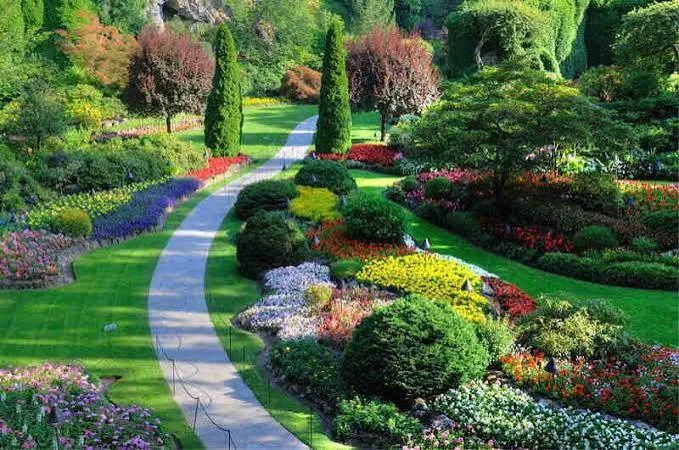
Sustainable Landscaping Techniques
As our world increasingly prioritizes sustainability, the landscaping industry is embracing eco-friendly practices that not only enhance the beauty of outdoor spaces but also promote environmental health. At AB Remodeling, we understand the significance of sustainable landscaping techniques and how they can benefit homeowners while preserving our natural resources. In this article, we will explore effective sustainable landscaping strategies that you can implement in your own yard.
What is Sustainable Landscaping?
Sustainable landscaping refers to the practice of designing and maintaining outdoor spaces in a way that conserves resources, minimizes waste, and supports the environment. This approach integrates native plants, efficient irrigation systems, and organic gardening methods, ensuring that your landscape thrives while reducing your carbon footprint.
Benefits of Sustainable Landscaping
- Reduces water consumption through efficient irrigation techniques.
- Minimizes the need for chemical fertilizers and pesticides.
- Encourages biodiversity by using native plants that attract local wildlife.
- Improves soil health and reduces erosion with organic practices.
- Enhances the aesthetic appeal of your property while adding value.
Key Sustainable Landscaping Techniques
1. Native Plant Landscaping
Using native plants is one of the most effective ways to create a sustainable landscape. These plants are adapted to the local climate and soil conditions, requiring less water and maintenance compared to non-native species. They also provide essential habitat for local wildlife, including birds and pollinators, fostering a balanced ecosystem.
2. Efficient Irrigation Systems
Implementing efficient irrigation systems, such as drip irrigation or rainwater harvesting, can significantly reduce water waste. Drip irrigation delivers water directly to the plant's roots, minimizing evaporation and runoff. Rainwater harvesting systems collect rainwater for later use in watering gardens, promoting sustainable water management.
3. Organic Gardening Practices
Adopting organic gardening practices eliminates the need for synthetic fertilizers and pesticides, which can harm the environment. Instead, use compost, mulch, and natural pest control methods to maintain healthy plants. This approach not only protects local ecosystems but also ensures that your garden produces safe and healthy food.
4. Hardscaping with Sustainable Materials
Hardscaping features, such as patios, walkways, and retaining walls, can also be designed sustainably. Choose materials like recycled concrete, permeable pavers, or sustainably sourced wood. These materials not only reduce environmental impact but also enhance the durability and longevity of your outdoor structures.
5. Soil Health Management
Healthy soil is the foundation of sustainable landscaping. Implement practices such as crop rotation, cover cropping, and the use of organic amendments to improve soil structure and fertility. This not only supports plant growth but also helps sequester carbon, contributing to climate change mitigation.
Implementing Sustainable Landscaping with AB Remodeling
At AB Remodeling, we specialize in transforming outdoor spaces with sustainable landscaping techniques tailored to your needs. Our services include hardscaping, lawn care, and the installation of native plant gardens. By choosing us, you can be confident that your landscaping project will not only enhance the beauty of your property but also support a healthier environment.
Conclusion
Sustainable landscaping is an investment in the future of our planet and your property. By incorporating these techniques, you can create a beautiful, low-maintenance outdoor space that benefits both you and the environment. If you're ready to start your sustainable landscaping journey, contact AB Remodeling today to discuss how we can help bring your vision to life.